
In the world of metal forming and wire drawing, surface preparation is everything. The quality of your surface treatment directly impacts product quality, tool life, production speed, and operating costs. For decades, batch pickling and phosphating were the industry standards—but they came with significant drawbacks: high chemical consumption, sludge disposal issues, space requirements, and inconsistent results.
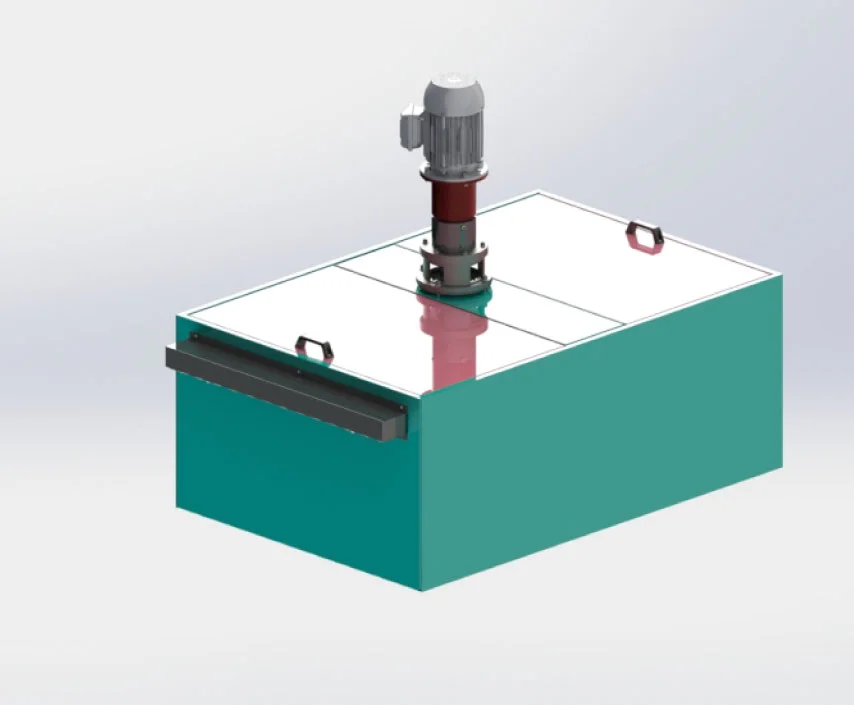
Enter in-line phosphate coating—a game-changing technology that integrates surface treatment directly into your production line. If you are searching for a reliable In-Line Phosphate Coating machine manufacturer to upgrade your metal treatment capabilities, understanding this technology is the first step toward transforming your operations.
What is In-Line Phosphate Coating?
In-line phosphate coating is a continuous process where wire rod or metal components are cleaned, phosphated, and prepared for drawing or forming in a single, uninterrupted production flow. Unlike traditional batch processes that require handling large bundles of material between separate tanks, in-line systems treat the material as it moves through the line, directly feeding into downstream processes like wire drawing.
Modern in-line phosphating has evolved significantly, with electrolytic phosphating emerging as the preferred technology for high-performance applications .
The Shift from Batch to In-Line: Why It Matters
Traditional batch pickling and phosphating plants have served the industry for decades, but they present persistent challenges:
- Space requirements: Large tank farms consume valuable floor space
- Environmental concerns: Acid disposal, sludge generation, and wastewater treatment add complexity and cost
- Inconsistent quality: Variations in coating weight and crystal structure affect downstream performance
- Material handling: Moving coils between processes creates bottlenecks and labor costs
In-line systems address each of these challenges while delivering superior results.
Key Benefits of Modern In-Line Phosphate Coating
1. Unmatched Efficiency and Speed
Electrolytic phosphating lines operate at significantly higher speeds than conventional methods—up to 180 m/min in advanced systems . The electrochemical process deposits phosphate crystals faster than chemical immersion, reducing dipping lengths and increasing throughput .
2. Superior Coating Quality
The electrolytic process produces exceptionally fine phosphate crystals with a smooth surface finish . This fine-crystalline structure provides better lubricant retention and adhesion during subsequent drawing operations, resulting in improved drawability and extended die life .
3. Environmental Sustainability
Modern in-line phosphating eliminates or drastically reduces the environmental footprint of surface treatment:
- Minimal or no iron phosphating sludge generation
- Reduced chemical consumption through precise application
- Lower wastewater treatment requirements
- Fume abatement systems for cleaner working environments
4. Consistent, Adjustable Coating Weight
Advanced systems allow fully automatic adjustment of coating parameters based on wire diameter . This precision ensures every meter of material receives exactly the coating required, eliminating waste and ensuring consistent performance.
5. Lower Operating Costs
Despite higher initial technology investment, in-line phosphating reduces overall operating costs through:
- Reduced chemical consumption
- Lower energy requirements
- Minimized waste disposal costs
- Decreased labor requirements
- Higher production speeds
Advanced Technologies in In-Line Phosphating
Electrolytic Phosphating
The most significant advancement in recent years, electrolytic phosphating uses electrical current to deposit phosphate coatings. This technology offers:
- Faster processing than standard methods
- Superior coating consistency
- Reduced chemical consumption
- Better than batch pickling quality
Combined Mechanical and Electrolytic Systems
The latest innovation integrates mechanical descaling with electrolytic phosphating in a single continuous line . These systems:
- Remove scale mechanically using sanding belts or bending units
- Apply electrolytic phosphate coating immediately after cleaning
- Achieve drawing speeds up to 10.0 m/s
- Match the quality of conventionally pickled wire
Eco-Friendly Chemistry
Modern phosphating lines are designed with environmental responsibility in mind:
- No strong acids requiring discharge treatment
- Recycled rinse water with minimal consumption
- Intelligent heat exchangers for energy efficiency
Applications Across Industries
In-line phosphate coating serves critical functions across multiple sectors:
Wire Drawing: High-carbon steel wire for PC strand, tire cord, and spring wire requires precise phosphate coatings for successful drawing .
Fastener Manufacturing: Continuous phosphating of rod stock for bolt and screw production ensures consistent forming characteristics.
Tube and Pipe: Phosphated strip for welded tube applications benefits from uniform coating.
Cold Heading: Complex formed parts require the lubricant-carrying capacity of quality phosphate coatings.
Choosing the Right In-Line Phosphate Coating Machine
When evaluating equipment from an In-Line Phosphate Coating machine manufacturer, consider these critical factors:
Wire Diameter Range: Ensure the system accommodates your full product range, from fine wires to heavy rod .
Line Speed Capability: Match the phosphating line speed to your downstream drawing equipment.
Coating Control: Look for systems with adjustable coating weight and automatic parameter adjustment .
Material Construction: Equipment should be built from corrosion-resistant materials like polypropylene and stainless steel for industrial durability .
Integration Capability: The system should seamlessly connect with your existing pay-off, descaling, and drawing equipment .
The Future of Metal Surface Treatment
As environmental regulations tighten and production demands increase, in-line phosphating will become the standard rather than the exception. The technology continues to evolve with:
- Further reductions in chemical consumption
- Enhanced process control through digital monitoring
- Integration with Industry 4.0 manufacturing systems
- Expanded capabilities for new materials and applications
Conclusion
In-line phosphate coating represents a significant leap forward in metal surface treatment technology. By replacing batch processes with continuous, electrolytic systems, manufacturers achieve higher quality, lower costs, and reduced environmental impact—all while increasing production speeds.
For companies seeking to modernize their wire and rod processing capabilities, partnering with an experienced In-Line Phosphate Coating machine manufacturer is essential. Advanced solutions from global technology leaders now make it possible to achieve superior surface preparation that was unimaginable just a decade ago.
Ready to transform your metal surface treatment? Contact Lesswireform today to learn more about advanced in-line phosphating solutions for your specific application requirements.