
In the precise world of wire manufacturing, the drawing process is where quality is forged and efficiency is determined. While multiple methods exist, wet drawing has emerged as the gold standard for producing high-quality, fine, and ultra-fine wires across critical industries. Choosing the right technology—and the right wet drawing machine manufacturer—is not just an operational decision; it’s a strategic one that defines product quality, cost-effectiveness, and competitive edge.
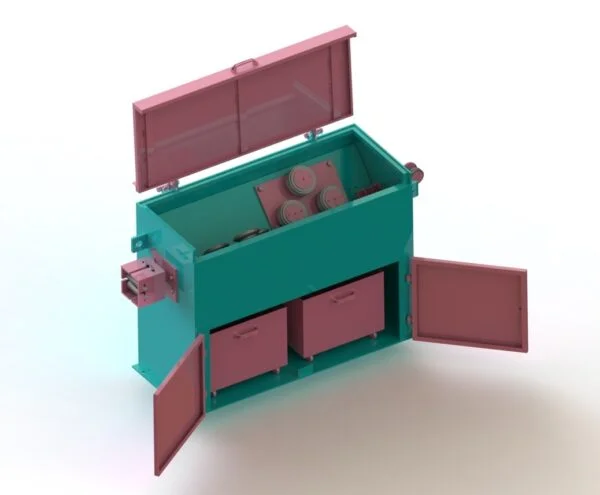
This blog explores the compelling reasons to adopt wet drawing technology and the critical importance of partnering with a reputable wet drawing machine manufacturer.
What is Wet Wire Drawing?
Wet wire drawing is a process where the wire is pulled through a series of progressively smaller dies submerged in a lubricating and cooling fluid—typically a specialized soap solution or oil. This method is predominantly used for drawing fine to ultra-fine wires (typically below 2 mm in diameter), especially from softer metals like copper, brass, and aluminum, as well as high-carbon steel for tire cord and other applications.
Key Advantages of Choosing a Wet Drawing Machine
1. Superior Surface Finish and Quality
The continuous bath of lubricant provides an exceptional barrier between the wire and the die. This results in:
- Minimized Friction: Reduced direct contact leads to a smoother, brighter, and more consistent surface finish.
- Elimination of Scratches & Defects: The fluid flushes away debris and metal particles, preventing them from scratching the wire surface—a common issue in dry drawing.
- Ideal for Coating Preparation: The impeccable surface is perfect for subsequent processes like electroplating, tinning, or enameling, ensuring superior coating adhesion.
2. Enhanced Die Life and Reduced Operational Costs
This is a major economic benefit. The superior lubrication and cooling drastically reduce wear and tear on the tungsten carbide or diamond dies.
- Longer Die Life: Dies last significantly longer compared to dry drawing, directly lowering consumable costs.
- Reduced Downtime: Fewer die changes mean higher machine uptime and productivity.
- Consistent Dimensional Accuracy: As dies wear more slowly, the wire diameter remains within tight tolerances for longer production runs.
3. Exceptional Thermal Management
The wire drawing process generates intense heat due to friction and plastic deformation. Wet drawing excels in heat control.
- Efficient Cooling: The fluid bath acts as a heat sink, continuously absorbing and dissipating heat from the wire and dies.
- Prevents Annealing: For non-ferrous wires like copper, excessive heat can cause premature annealing (softening), which is detrimental during the drawing process. Wet drawing maintains the wire’s desired mechanical properties.
- Stable Process: Consistent temperature prevents thermal expansion of dies and wire, ensuring stable and predictable drawing behavior.
4. Higher Drawing Speeds and Productivity
The combination of excellent lubrication and cooling allows the machine to operate at significantly higher speeds without compromising quality or risking wire breakage.
- Faster Production Cycles: Manufacturers can achieve higher output rates, improving overall throughput.
- Suitable for Fine Wires: This speed is crucial for the economic production of very fine gauges where line speed is key to profitability.
5. Optimal for Fine and Ultra-Fine Wire Production
For producing wires in the range of a few millimeters down to micrometer diameters (e.g., for magnet wire, specialty cables, medical leads, bonding wire), wet drawing is virtually indispensable. The process provides the necessary control, finish, and breakage prevention that dry drawing cannot match at these delicate sizes.
The Critical Role of Your Wet Drawing Machine Manufacturer
The benefits listed above are fully realized only when the machine itself is engineered to perfection. This is why your choice of wet drawing machine manufacturer is paramount.
What to Look for in a Leading Wet Drawing Machine Manufacturer:
- Proven Engineering Expertise: Look for a manufacturer with deep domain knowledge in metallurgy, mechanics, and fluid dynamics. Their design should optimize the fluid circulation, die box sealing, and tension control specific to wet drawing.
- Robust and Corrosion-Resistant Construction: The machine operates in a wet, sometimes chemically active environment. A premium manufacturer uses stainless steel components, effective sealing systems, and corrosion-protected frames to ensure long-term durability and minimal maintenance.
- Precision Tension Control Systems: Fine wire drawing demands exquisite tension control across each capstan or spooler. The manufacturer must integrate precise DC drives or servo systems to prevent stretching, necking, or breaks.
- Integrated Filtration and Cooling Systems: A hallmark of a quality machine is its integrated fluid management system. This includes pumps, filters (to keep the lubricant clean), and often heat exchangers to maintain optimal fluid temperature, which is critical for consistent results.
- Customization and Flexibility: The best wet drawing machine manufacturers don’t just sell standard models. They work with you to customize the machine—number of dies, spooler capacity, annealing stages (if in-line), and control systems—to match your specific material, input size, and final wire application.
- After-Sales Support and Technical Know-How: Installation, commissioning, and maintenance are complex. Choose a manufacturer that provides comprehensive training, ready access to spare parts, and technical support to maximize your machine’s uptime and performance from day one.
Industries That Rely on Wet Drawing Machines
- Electrical & Electronics: Magnet wire (enameled copper), tinned copper wire for cables, ultra-fine wire for connectors.
- Automotive: Fine steel cord for tire reinforcement, sensor wires.
- Telecommunications: Precision copper and alloy wires for data cables.
- Welding: Manufacture of fine welding wire.
- Specialty Applications: Medical device wires, bonding wire for semiconductors, jewelry making.
Conclusion: A Strategic Investment in Quality and Efficiency
Choosing a wet drawing machine is an investment in superior product quality, reduced long-term operating costs (through die savings), and enhanced production capability for fine wires. However, the machine itself is only half the equation.
The expertise, build quality, and support provided by your chosen wet drawing machine manufacturer will ultimately determine your return on investment. By partnering with a reputable and engineering-focused manufacturer, you secure not just a machine, but a reliable, high-performance system that will form the backbone of your quality wire production for years to come.
Ready to explore wet drawing solutions? Prioritize manufacturers who demonstrate a clear understanding of your process goals and can provide robust, customized technology to meet them.